101 Guide to the 2026 Midterm Elections
By Caroline Wang
The Nov. 3 Midterm Elections determine who writes our laws, allocates public funding, and decides which issues receive attention—from the highest levels of government to our local officials.
Federal environmental policies will shape coastal protection and wildfire prevention; state housing initiatives can affect affordability; and education funding helps determine the success of our local schools and colleges. Here’s what voters need to know this midterm as they prepare to vote on these issues.
General Information:
Election Day is Tuesday, Nov. 3rd. Ballots began mailing on Oct. 5, and registered voters can turn in their vote-by-mail ballots by using an official drop box or vote in person. Mailed ballots must be postmarked by Election Day and received by Nov. 10th to count. After returning a mail ballot, you can track its status through California’s ballot-tracking service.
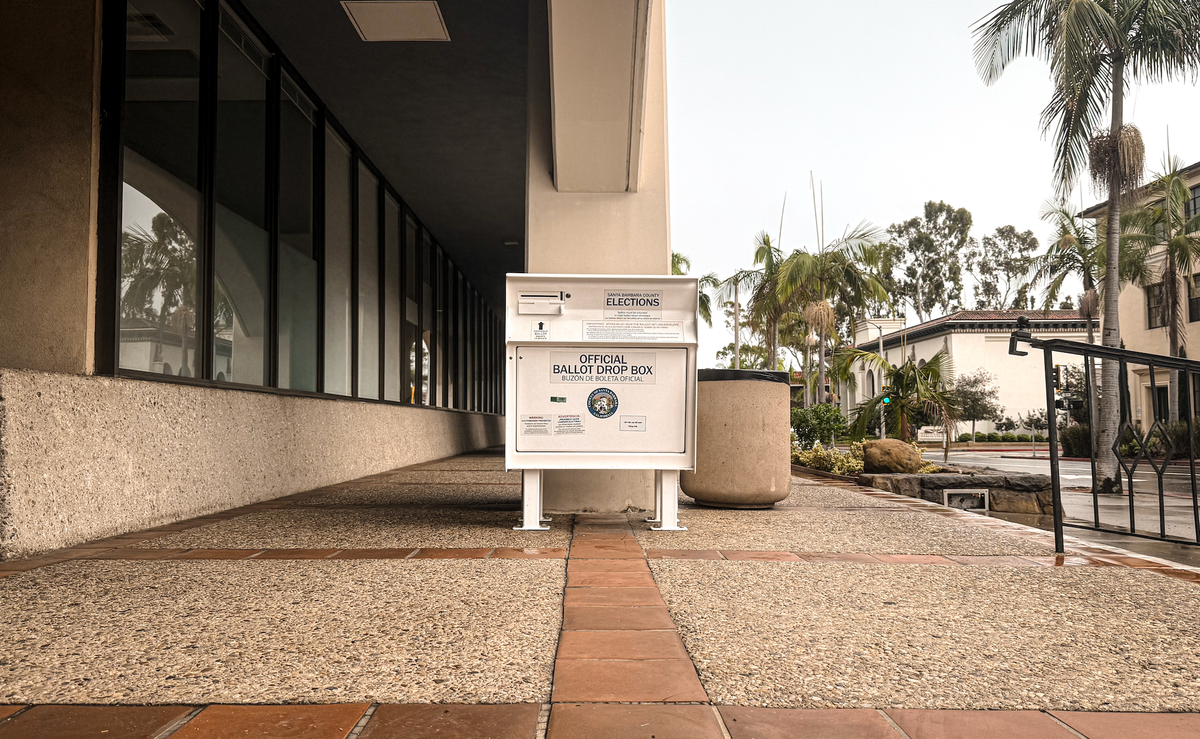
Santa Barbara County has official ballot drop-off locations, such as the County Administration Building, Elections Office, and Community Center.
On Election Day, polling places open at 7:00 a.m. and close at 8:00 p.m.; anyone in line before 8 p.m. can stay and vote. The Santa Barbara County Elections Division will operate polling places at an immense variety of locations such as election offices, churches, and schools.
What's on the ballot?
Voters will choose representatives at the federal, state, and local level, and decide on 14 statewide propositions. Here’s a look at the races affecting Santa Barbara.
All 52 of California’s House of Representatives seats are up for election this year. Santa Barbara is part of the state’s 24th Congressional District, where incumbent Congressional Democrat Salud Carbajal (D-24) faces Republican challenger Bob Smith. Carbajal has historically emphasized environmental protection, health care, and lowering living costs, while Smith, emerging from vast military experience, focuses on reducing housing and energy costs.
All eyes are on the California gubernatorial race, featuring candidates Xavier Becerra and Steve Hilton, who advanced from the state’s top-two nonpartisan primary system. Democrat Becerra emphasizes affordability, health care, and environmental protection, while Republican Hilton advocates reducing regulations and taxes, expanding housing construction, and rolling back certain climate policies. Their campaigns reflect competing approaches to balancing California’s cost of living with environmental and economic concerns.
Other statewide contests include the lieutenant governor’s race between Democrat Fiona Ma and Republican Gloria Romero, and the Attorney General’s race between incumbent Rob Bonta and Michael Gates. These offices carry different responsibilities: the lieutenant governor serves as the president of the State Senate, sits on the State Lands Commission, and serves on higher education boards, while the attorney general oversees the state Department of Justice and represents California in legal matters.
Closer to home, incumbent Assemblymember Gregg Hart (D-37) faces Republican challenger Sari Domingues in the 37th Assembly District, in a rematch of their 2024 race. Hart has emphasized coastal conservation and environmental protection, while Domingues focuses on housing and affordability, arguing that the state needs a different approach to easing residents’ financial pressures. Hart won roughly 60% of the vote in their previous contest.
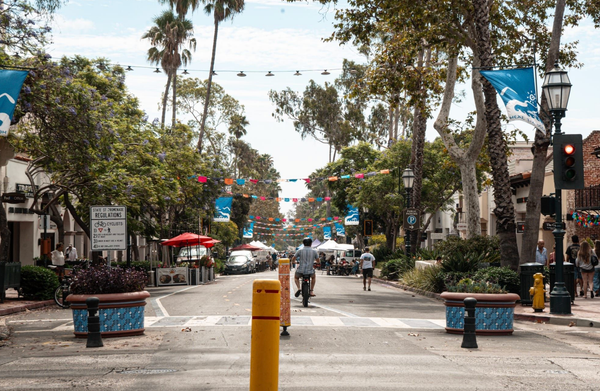
Locally, four Santa Barbara City Council positions—including the mayor’s office—are on the ballot. Mayoral candidates Kristen Sneddon, Eric Friedman, and Wendy Sims-Moten differ in their approaches to housing, downtown development, and city spending. Sneddon supports rent stabilization, keeping State Street closed to cars, and dedicated funding for affordable housing. Friedman opposes the current rent stabilization proposal, favors partially reopening State Street to cars, and has raised concerns about major projects amid low city reserves. Sims-Moten supports forms of rent stabilization, has questioned whether downtown residents were adequately considered in State Street planning, and emphasizes public safety and immigration.
The remaining three City Council seats are representatives for Districts 4, 5, and 6. In District 4, Jason Dominguez, Genevieve Taft-Vazquez, Devon Wardlow, and Monte Wilson are competing to represent the Riviera, Upper East, and Foothill areas. District 5, covering San Roque, Upper State, and the Santa Barbara Airport, features Ian Baucke, Cevin Cathell, and James Zurlinden. In District 6, which includes Downtown and the Laguna area, Jason Carlton, Gabe Escobedo, Anabella Lehne, and Alexander Stoeber are running.
They are competing for a majority of the seven-person council. Together, these local races will help determine how Santa Barbara responds to housing pressures, supports its neighborhoods, and balances residents’ needs with the city’s long-term future.
How to Make Informed Decisions:
With so many candidates and proposals to consider, where should voters begin research? Start with primary sources, such as the official voter information guide and candidates’ websites to understand their priorities and promises.
From there, begin looking at different outsider perspectives. Compare reputable news coverage from outlets with different viewpoints, or read various opinion pieces that offer new perspectives on candidates. Watch debate footage, available on large streaming platforms and local political and news YouTube channels. During this stage, it is crucial to apply the same standards to each decision and candidate, regardless of party affiliation. Always consult independent fact-checkers to evaluate questionable claims, and investigate who is financing certain campaigns to glimpse what is going on behind the scenes.
Ultimately, an informed vote requires more than recognizing a name or choosing a familiar party. It asks voters to look beyond campaign promises to consider what candidates can realistically accomplish, and how that relates to your community and beliefs. This Nov. 3, take the time to look beyond the headlines and help shape the future of Santa Barbara and our country!
Editor's Note: Check out Unmuted’s elections coverage at our website, https://www.unmutedyouth.news/tag/local-news/